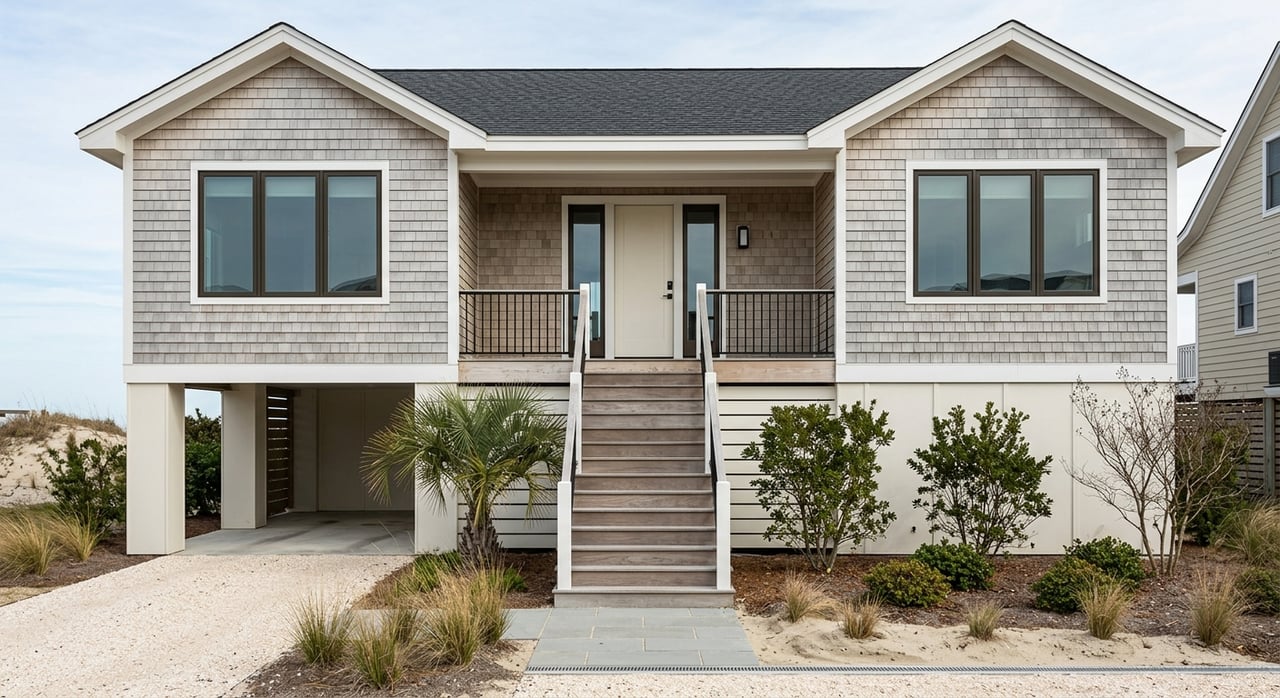
Evaluating Rental Potential In Duck Vacation Homes
If you are thinking about buying a vacation home in Duck, rental potential is probably part of the equation. You want a property that feels good for your own getaways, but you also want to understand how it may perform when guests book it. In a market this local and seasonal, the details matter. Let’s dive in.
Duck has a strong identity within the Outer Banks. The town describes itself as a sound-to-sea community with independent businesses, a town park and boardwalk, outdoor recreation, dining, shopping, art galleries, and seasonal events. In a 2023 to 2024 survey of Outer Banks leisure travelers, 27% said they visited Duck, and vacation rentals were noted as especially popular in Duck and Corolla.
That matters if you are evaluating a purchase as both a lifestyle property and an income-producing asset. Duck tends to appeal to buyers who want a family-oriented beach market rather than a hotel-heavy setting. The same visitor survey found that common trip activities include relaxing, enjoying ocean views, spending time at the beach, and dining out, which aligns well with Duck’s village atmosphere and soundfront public spaces.
Rental potential in Duck is not flat across the year. Summer is the busiest season on the Outer Banks, while spring and fall act as shoulder seasons with milder weather and fewer crowds. If you are building a rental case, your revenue timing will likely depend heavily on strong summer performance.
Town budget materials also show occupancy-tax revenue peaking in summer and easing in winter. That is a useful signal of demand patterns, even if it is not a substitute for a property-specific forecast. Duck’s event calendar can also support off-peak interest, especially with free summer programming at Duck Town Park, the annual Fourth of July celebration, and the Duck Jazz Festival on Columbus Day weekend.
The visitor survey reported an average stay length of 4 nights. That points to a practical reality many buyers overlook: short stays can increase turnover demands. Cleaning speed, check-in efficiency, parking, and clear guest instructions may all affect the owner experience and guest satisfaction.
In Duck, guests often judge a stay by convenience as much as square footage. Beach access, walkability, pet rules, and easy arrival logistics can shape reviews and repeat bookings. A beautiful house may still underperform if the day-to-day guest experience feels confusing or inconvenient.
One of the biggest local details is beach access. The town states that it owns no public beach access points, there is no public parking at beach accesses, and access is limited to residents, renters, and guests through privately owned and maintained locations. If you are comparing homes, the quality of the access path, community rules, and pre-arrival instructions deserve close attention.
In many vacation markets, buyers assume beach access is simple. In Duck, it is more specific than that. You will want to know exactly how guests reach the beach, whether the access is private, how long the walk feels in real life, and whether the route is easy to explain to first-time visitors.
This is especially important when you compare homes with similar price points. A property with easier and clearer beach access may create a smoother guest experience than one that looks similar on paper. For vacation-rental buyers, that difference can influence demand, reviews, and repeat use.
Duck has lifestyle features that many visitors value once they arrive. The Duck Boardwalk runs nearly a mile along the Currituck Sound, and the Duck Trail is a six-mile multi-use path. For guests who want to stroll to shops, dining, or waterfront views, proximity to these features can strengthen a home’s appeal.
That does not mean every renter will pay more for walkability alone. It does mean that homes with easy access to the boardwalk, trail, shops, and restaurants may fit the way people already use Duck. If you are deciding between neighborhoods or communities, everyday convenience should be part of the conversation.
Duck is also notable for dog-friendly beach use. Dogs are allowed on Duck’s beach year-round, and they may play unleashed on the beach under direct control. On the boardwalk and trail, they must be leashed.
For a rental buyer, that can make pet-friendly homes worth a closer look. The Outer Banks travel guide categorizes rentals by amenities such as pet friendly, pool, accessible features, partial-week stays, and specific check-in patterns, which suggests these are meaningful search filters in the regional market. If a property works well for pet owners and the community rules allow it, that may expand your potential guest pool.
Not every amenity carries the same weight, but some clearly matter in Duck. Before you buy, it helps to ask practical questions that line up with how renters actually search and travel.
A simple checklist can help:
These questions sound basic, but they often separate a home that rents smoothly from one that creates friction. When buyers focus only on purchase price and gross revenue, they can miss the features that drive actual guest satisfaction.
If you are considering a soundside-oriented property, evaluate it on its own terms. The town says there is no public soundside beach or public sound access within Duck limits. That means community-specific amenities can matter even more.
Before you buy, verify whether the neighborhood offers a pier, dock, or launch. For some buyers and guests, those features can shape how usable the property feels. A soundside home may offer a different experience than an oceanside one, so your rental expectations should reflect that difference.
Duck’s appeal is coastal, and so are its risks. The town states that Atlantic hurricane season runs from June 1 through November 30 and usually peaks in late August and September. The town also notes repeated coastal storms and ongoing beach nourishment work.
For you as a buyer, this means underwriting should stay conservative. Storm exposure can affect downtime, maintenance, and the guest experience, especially for homes where beach condition is part of the draw. Rental potential is not only about high-season demand. It is also about how well a property can handle interruption and ongoing coastal wear.
A rental estimate is only useful if it reflects how the home actually operates. In Duck, turnover logistics and local rules can affect expenses more than buyers expect. That is especially true for larger homes with heavier guest use.
For example, the town requires rental properties to have at least two approved solid-waste containers, with more required for larger occupancy homes. Trash collection runs twice weekly from May 1 through September 30. Those details may seem small, but they affect turnover planning, vendor coordination, and operating costs.
You should also account for local tax structure. Duck’s tax pages show a town property-tax rate of 0.1800, separate beach-nourishment MSD rates in designated areas, and Dare County’s 6% occupancy tax on short-term rentals. These line items belong in your underwriting from the start.
The best rental analysis is property-specific, not generic. The research report is clear that revenue projections should come from licensed local property managers or advisors, using real comparable performance rather than broad averages. This is one of the smartest ways to test whether a listing fits your goals.
Ask for comparable data in the same community, with similar bedroom count and similar beach-access type. Then compare:
The Outer Banks travel guide lists multiple rental companies serving Duck and the Northern Beaches, which gives you room to compare more than one manager. That can help you pressure-test assumptions instead of relying on a single projection.
When buyers fall in love with a house, projections can become too optimistic. Duck’s own budget materials indicate occupancy-tax revenue is expected to be roughly stable and that reservation activity has moderated. That is a good reason to model the numbers carefully.
A more durable approach is to stress-test the property. Look at best-case, expected, and conservative scenarios. If the home still works for you under a more cautious set of assumptions, you are making the decision from a stronger position.
In simple terms, evaluating rental potential in Duck means balancing demand, usability, and risk. You are not just buying bedrooms and decks. You are buying a guest experience shaped by access, seasonality, operations, and local rules.
The strongest candidates often combine several things at once: clear beach or sound access, convenient location, amenity appeal, practical parking, and realistic operating costs. When you pair those factors with local rental data and conservative underwriting, you can make a much more confident decision.
If you are weighing a Duck vacation home for both personal enjoyment and income potential, local context is everything. A polished listing can tell part of the story, but the deeper value comes from understanding how the property fits Duck’s unique rental market. When you want a clear, analytical view of that picture, working with a local guide can make all the difference.
Ready to evaluate your options in Duck with a more strategic lens? Connect with Inna Pencheva for thoughtful, data-minded guidance on Outer Banks homes.



Contact Inna today to start your home journey. With a commitment to education and transparency, she guides clients confidently through every step of the buying or selling process.
