Waterfront Living In Duck: Oceanfront And Soundside
If you are drawn to Duck for the water, you are really choosing between two very different waterfront lifestyles. On one side, you have the Atlantic Ocean and a beach-first daily rhythm. On the other, you have Currituck Sound, sunset views, and easy access to the boardwalk and village core. Understanding that difference can help you focus your home search and feel more confident about what fits your life best. Let’s dive in.
Duck sits on a narrow barrier island strip in northern Dare County, between the Atlantic Ocean and Currituck Sound. According to Town of Duck planning documents, NC 12, also called Duck Road, is the town’s only major transportation route.
That layout shapes how waterfront living feels here. Duck is not set up like a large beach destination with broad public shoreline access. Instead, it functions more like a coastal village with a commercial center and established residential neighborhoods, where your day-to-day experience is closely tied to whether you live on the oceanfront side or the soundside.
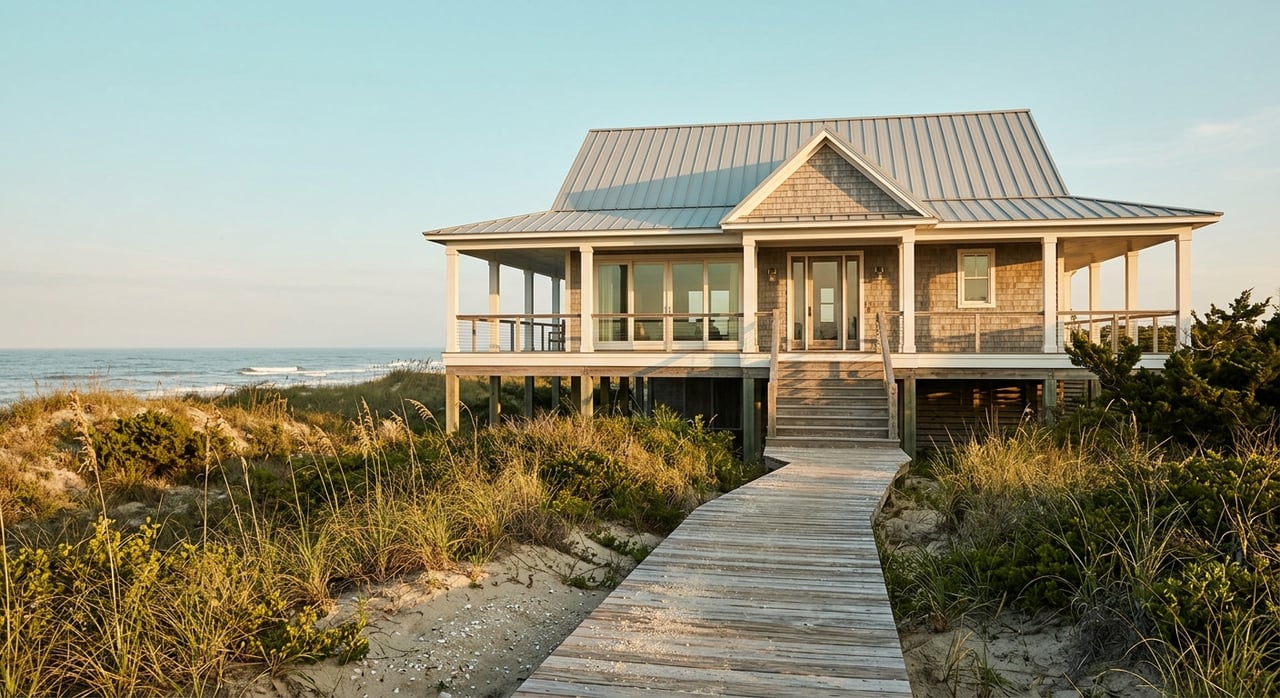
Oceanfront living in Duck is the most direct way to experience the Atlantic side of town. Your connection to the beach is immediate, and the shoreline becomes part of your everyday routine instead of a destination you drive to.
For many buyers, that is the biggest appeal. You are choosing a home where the beach experience comes first, with the ocean as the backdrop for morning walks, time on the sand, and a more private residential feel.
In Duck, oceanfront ownership is less about a public beach scene and more about direct beach proximity. The town’s materials note that access patterns are limited and neighborhood-based, which helps explain why the oceanfront experience often feels more tucked away and residential than day-trip oriented. You can review that context in the Town of Duck visitor brochure.
Because Duck sits between the ocean and the sound, the oceanfront side naturally aligns with sunrise-oriented routines. If you picture starting your day near the water and prioritizing quick, direct access to the sand, oceanfront living may be the stronger fit.
One of the most important practical points for buyers is how beach access works. Duck does not have municipally owned public beach access points, and the town also does not provide soundside beaches, according to the Town of Duck brochure.
That means access is shaped largely by where you live or stay. In many neighborhoods, community access points serve residents, which makes location inside a subdivision especially relevant if you are not purchasing an oceanfront home.
Oceanfront homes in Duck may appeal to you if you want:
If your vision of Duck starts with the Atlantic and centers on being as close to the beach as possible, oceanfront living is usually the clearest match.
Soundside living offers a different kind of waterfront experience. Instead of centering your day around the beach, it places you closer to the boardwalk, park space, village activity, and the calmer waters of Currituck Sound.
This side of Duck tends to feel more walkable and more connected to the town’s social rhythm. It is a strong fit for buyers who value scenic strolls, water views, and easy access to local amenities.
The Duck Town Park is a major part of the soundside lifestyle. The park includes 11 acres of trails through maritime forest and willow swamp, open green space, soundside views, a playground, a picnic shelter, a Town Green, and a public kayak and canoe launch.
The Duck Boardwalk extends along Currituck Sound and connects the park with other village locations. The town describes it as a place for views, wildlife, and access to shops and restaurants, which is a big reason soundside living feels closely tied to everyday life in the village.
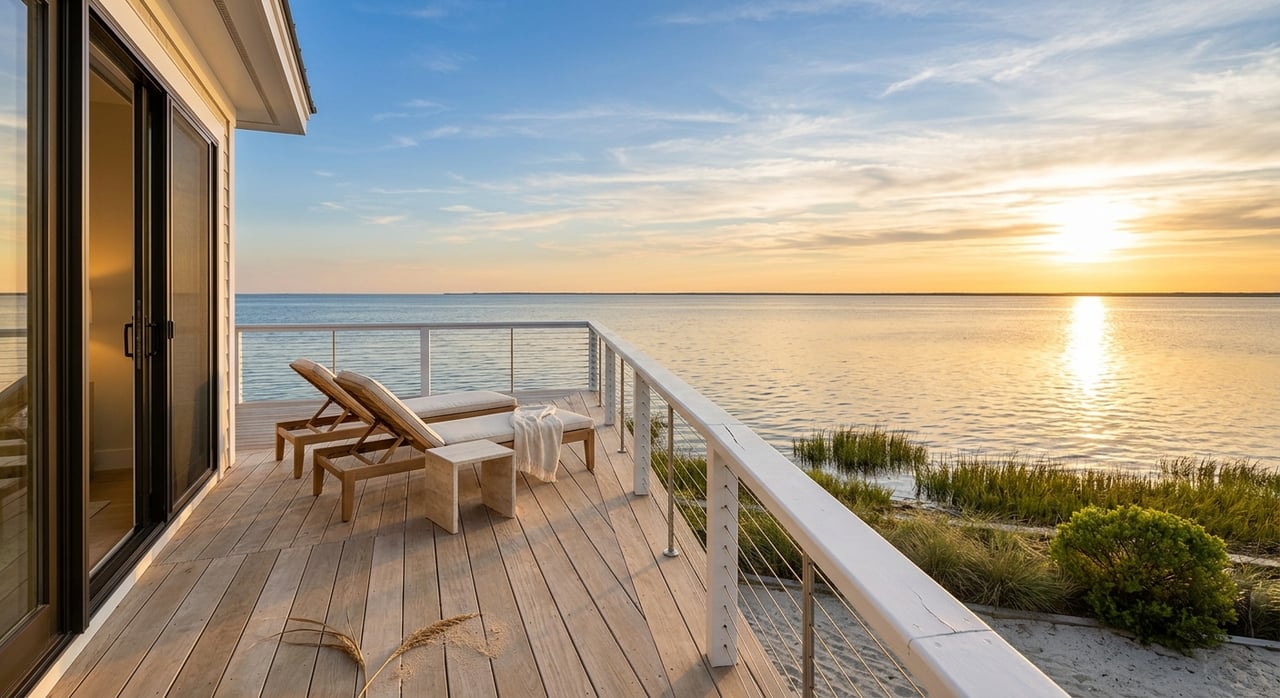
Outer Banks visitors often know Duck for its sunsets over the sound, and the town’s geography supports that daily contrast between the ocean side and the soundside. If the oceanfront side feels sunrise-oriented, the soundside is the sunset-and-stroll choice.
That is not just about scenery. The boardwalk is open until 1:00 a.m., and town planning materials describe it as part of Duck’s alternative pedestrian connection to businesses and parks. In practical terms, that can make evening walks, casual dinners, and a more connected village lifestyle easier to enjoy.
Duck’s trail system adds even more appeal to soundside living. The Duck Trail is a six-mile multi-use path that runs through town, mostly on the ocean side of Duck Road, and through the commercial village it transitions into sidewalks and dedicated bike lanes on both sides of NC 12.
For you, that can mean a daily routine that feels less car-dependent once you are in town. If you imagine biking to dinner, walking to the boardwalk, or launching a kayak nearby, soundside living may line up well with that picture.
Soundside homes in Duck may appeal to you if you want:
If your ideal Duck experience includes time on the water, evening walks, and staying connected to the village core, soundside living deserves a close look.
When buyers compare the two, the trade-off is usually straightforward. Oceanfront puts the Atlantic first. Soundside puts sunsets, strolls, and village connectivity first.
Here is a simple way to think about it:
| Lifestyle Priority | Oceanfront | Soundside |
|---|---|---|
| Daily focus | Beach and surf | Sound, boardwalk, village |
| Water experience | Direct Atlantic access | Currituck Sound views and launch access |
| Typical rhythm | Morning beach routines | Evening walks and sunset views |
| Feel | More private and beach-centered | More social and walkable |
| Access pattern | Tied closely to direct or neighborhood beach access | Tied closely to park, boardwalk, and trail access |
Neither option is better across the board. The better choice depends on how you want Duck to feel when you arrive, and how you plan to spend your time once you are here.
Before choosing oceanfront or soundside in Duck, it helps to ask a few practical questions early in your search.
If stepping onto the sand quickly is your top priority, oceanfront or a home with convenient neighborhood beach access may make more sense. Since Duck does not offer municipally owned public beach access points, access patterns are important to confirm on a property-by-property basis.
If you are excited about strolling along the sound, reaching shops and restaurants more easily, or spending evenings in the village, soundside proximity may be a stronger fit. The boardwalk and town park are central features of that lifestyle.
Duck Town Park offers public sound access for kayak and canoe launches. If that kind of water use is part of your plan, soundside living can offer a more natural connection to it.
Some buyers imagine early mornings on the beach and want the ocean front and center. Others picture sunset walks, biking through town, and easy boardwalk access. In Duck, those two visions can lead you to very different parts of the market.
Duck works best when you see it as one coastal village with two waterfront moods. Oceanfront living gives you the Atlantic at your doorstep and a more beach-centered routine. Soundside living gives you sunsets, trails, the boardwalk, and a stronger connection to the village experience.
If you are weighing the difference, the right choice is not just about the view. It is about how you want to live when you are here, whether that means mornings on the sand, evenings on the boardwalk, or a balance of both. If you want local guidance as you compare waterfront options in Duck and across the Outer Banks, Inna Pencheva can help you navigate the details with clarity and care.
Contact Inna today to start your home journey. With a commitment to education and transparency, she guides clients confidently through every step of the buying or selling process.