How Duck Fits Into The Outer Banks Market
Wondering where Duck really fits in the Outer Banks market? If you are comparing towns, prices, and property types, Duck can be easy to misread at first glance. It is smaller, more seasonal, and more lifestyle-driven than many buyers expect, and that matters when you are deciding where to focus your search. In this guide, you will see how Duck compares with nearby Outer Banks communities, what kind of inventory defines the town, and why it often appeals to second-home buyers and vacation-rental investors. Let’s dive in.
Duck holds a distinct position within the broader Outer Banks market. It is not the largest market in Dare County, and it is not the lowest-cost option either. Instead, it sits in a premium middle ground that attracts buyers looking for a coastal setting with a strong second-home and vacation-rental profile.
The Town of Duck’s FY 2024-25 budget helps explain why. The town cites a resident population of 686, along with 2,633 vacant housing units used for seasonal or recreational purposes. That seasonal pattern shapes how Duck functions in the market, especially when compared with more mixed-use or more year-round areas in Dare County.
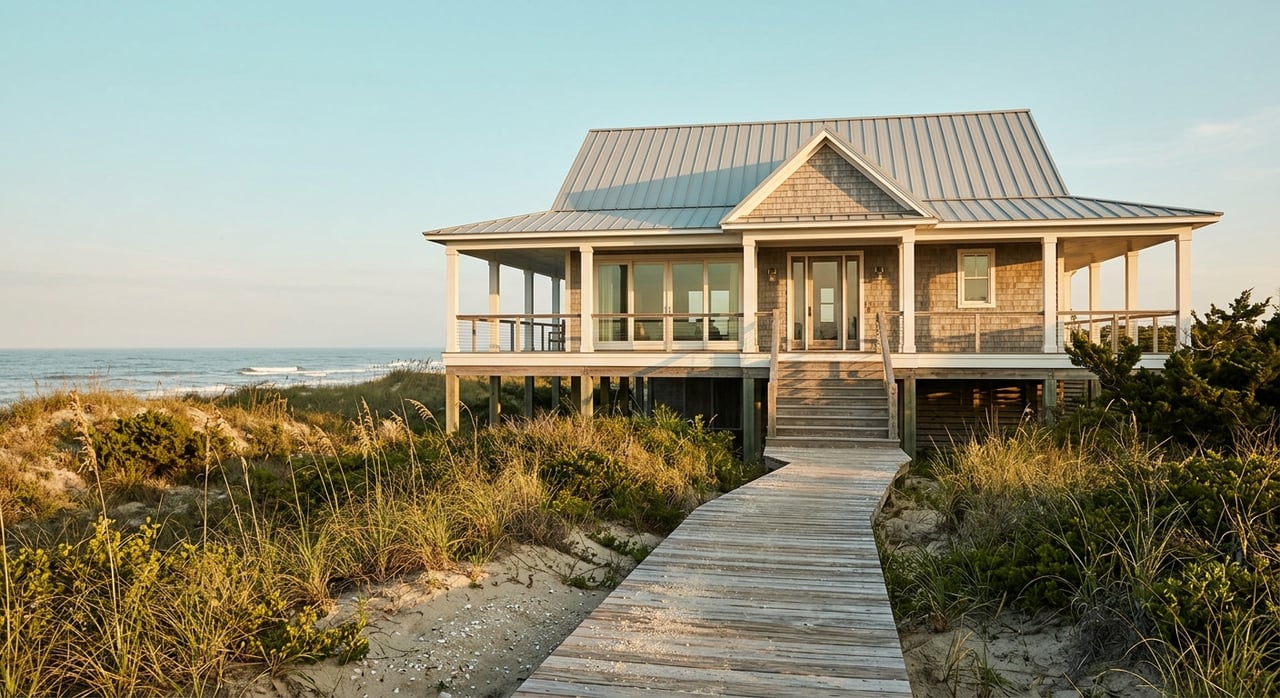
Duck’s housing stock is heavily tied to coastal lifestyle and seasonal use. The town budget says detached single-family homes account for more than 65% of the land area, with attached housing in clustered developments and many apartments above businesses serving seasonal or workforce needs. In practical terms, that means much of Duck’s inventory is built around vacation living rather than everyday commuter patterns.
Short-term rental activity reinforces that picture. The town cites an AirDNA sample with 324 active rentals, a July peak occupancy rate of 100%, an average rental size of 4.3 bedrooms, and 99% whole-house rentals. Those numbers point to a market where larger homes and rental-ready properties play a major role.
When you compare Duck with nearby towns, it lands in the upper-middle tier of the Outer Banks pricing ladder. Realtor.com’s April 2026 snapshot shows 74 homes for sale in Duck, a median list price of $599,000, a median of $397 per square foot, 85 median days on market, and a 97% sale-to-list ratio. Realtor.com also labels Duck a buyer’s market.
That median list price puts Duck below some of the higher-priced nearby towns, but above more entry-oriented pockets. Based on the same public snapshots, Corolla sits at $925,000, Southern Shores at $823,750, Kitty Hawk at $829,000, and Nags Head at $749,000. Duck runs roughly alongside Kill Devil Hills at $599,000 and above Manteo at $569,000.
This matters if you want a recognizable Outer Banks location without stepping into the highest local price tier. Duck is clearly not bargain territory, but it may offer a more accessible entry point than Corolla or Southern Shores for buyers who still want a premium coastal setting.
Inventory in Duck remains modest, but it is not the tightest market nearby. Realtor.com’s March 2026 city-level view shows Duck inventory up 5.80% year over year and 10.61% month over month. That suggests supply has been building instead of shrinking.
Even with that growth, the number of homes for sale remains limited in absolute terms. Duck had 74 homes on the market, compared with 933 active listings countywide in Dare County. So while buyers may have more room to compare options than they did in a tighter environment, choices are still fairly constrained.
Duck also sits between very different neighboring market conditions. Southern Shores had only 36 homes for sale and a seller’s market label, while Kill Devil Hills had 192 active listings and was labeled balanced. Manteo had 72 active listings and a buyer’s market label, which shows that Duck is not an outlier, but part of a wider spectrum across the Outer Banks.
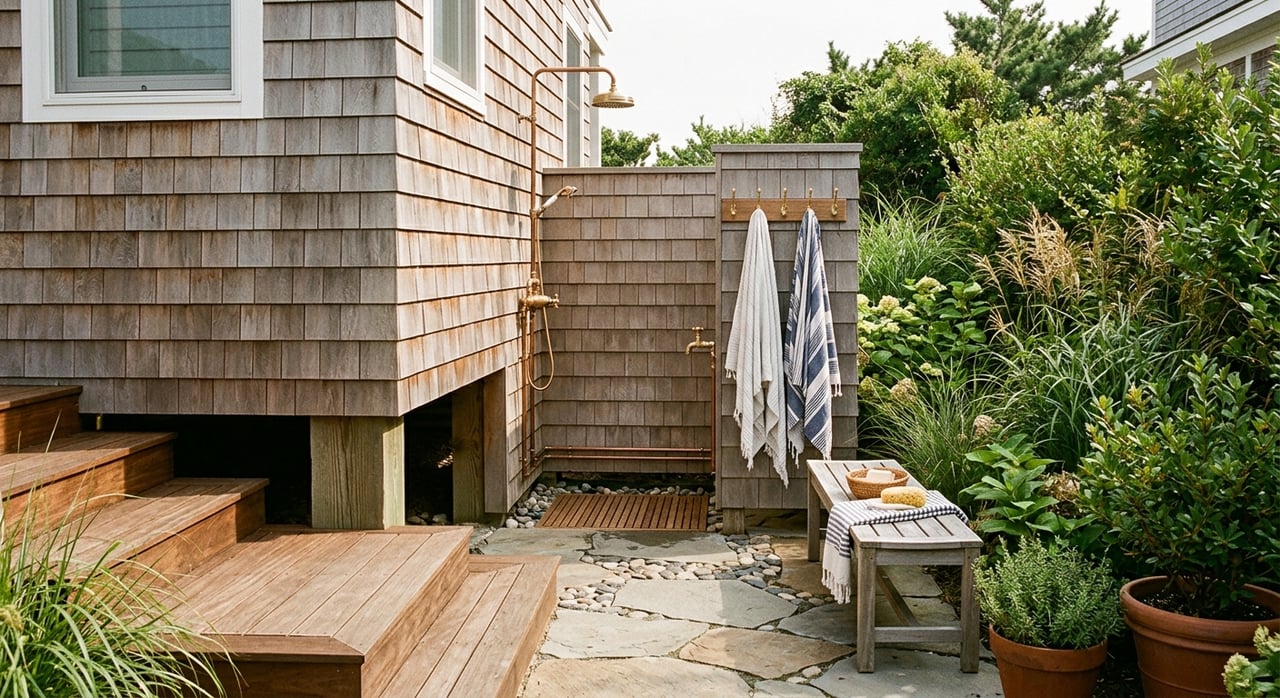
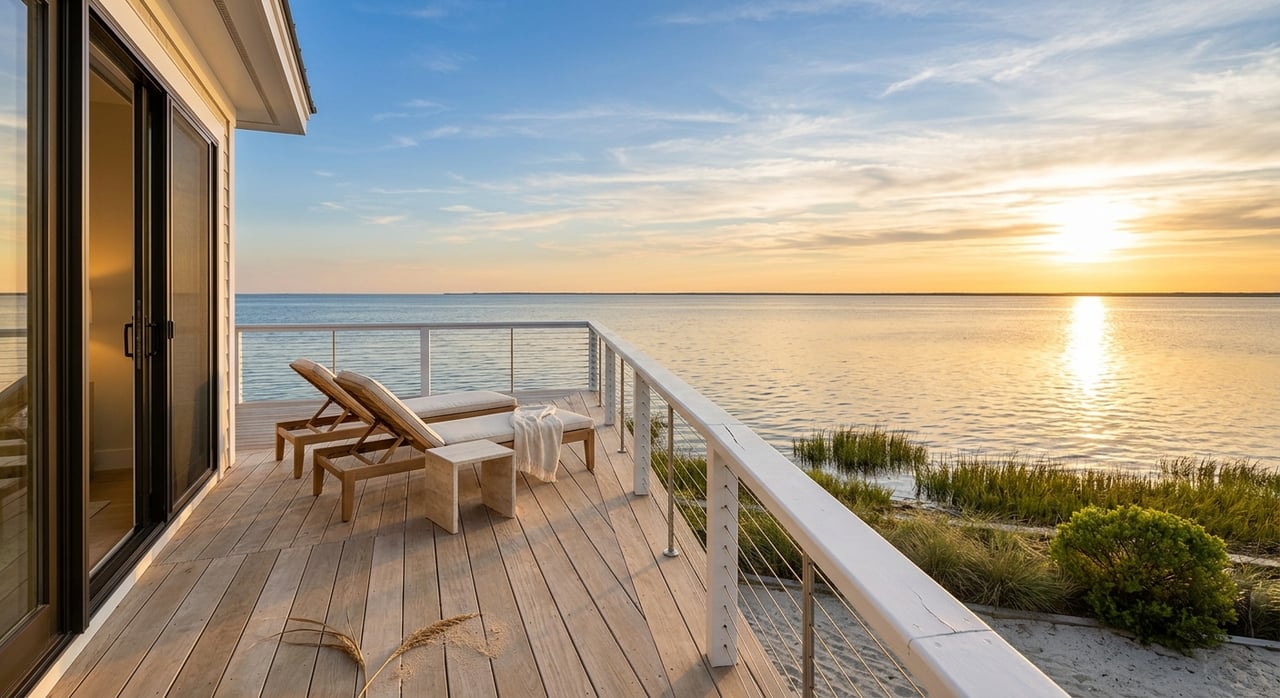
Duck’s property mix helps explain its market position. The town describes a landscape dominated by detached single-family homes, often on waterfront lots, with two- to three-story structures built over parking. That is a very different housing profile from a mainland suburb or a town with broader year-round housing variety.
Current listings reflect that range. Inventory includes high-end oceanfront homes, condo units on Duck Road, and townhouse options in communities such as Georgetown Sands. At the top end, the market includes a 12-bedroom oceanfront property listed at $9.25 million, which shows how far Duck can stretch into luxury territory.
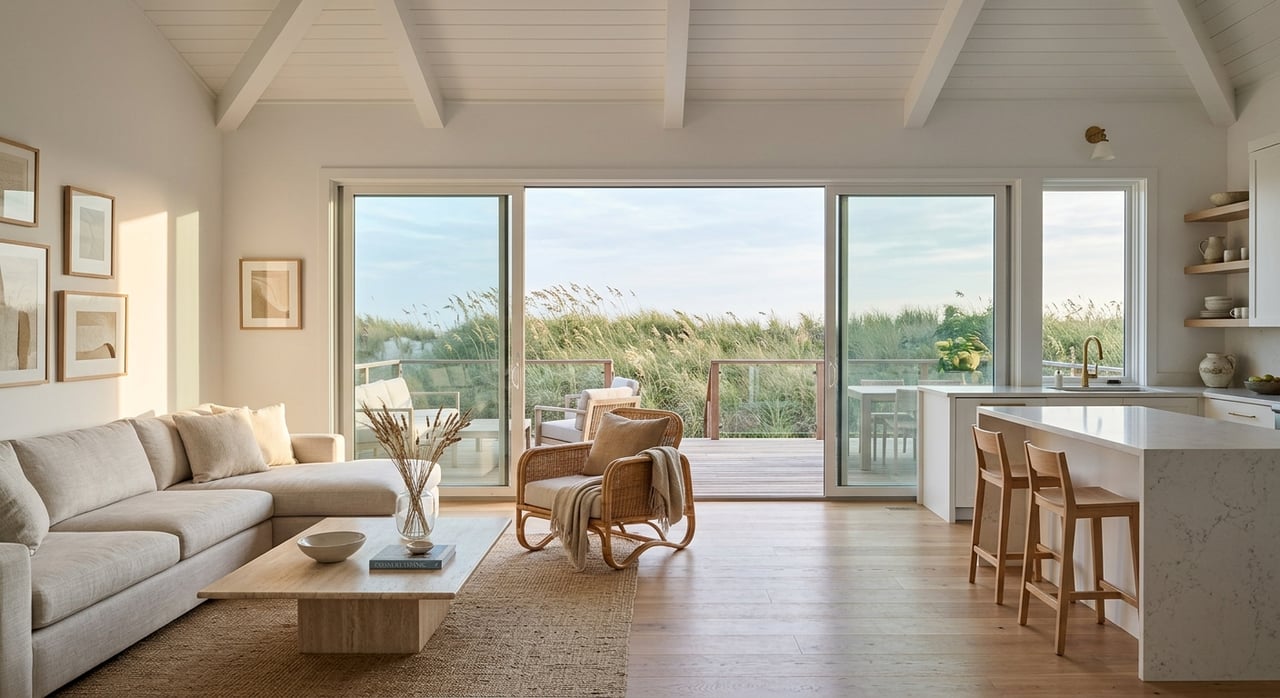
Compared with other nearby towns, Duck tends to lean more heavily toward larger homes, waterfront settings, and amenity-oriented second homes. That does not mean every property is luxury-priced, but it does mean the overall housing character skews toward lifestyle and rental appeal.
Duck tends to make sense for a specific kind of buyer. If you are looking for a year-round commuter market with broad housing variety, Duck may feel limited. If you are looking for a coastal home that can serve as a getaway, a second home, or a vacation-rental investment, Duck starts to look much more compelling.
For second-home buyers, Duck offers a small-town coastal identity paired with a housing stock that often feels more substantial and destination-oriented. For investors, the town’s strong seasonal-rental footprint and prevalence of whole-house rentals create an important layer of market context. For sellers, Duck’s distinct market position means pricing and marketing should account for both lifestyle appeal and buyer expectations around seasonal use.
One of the most useful ways to understand Duck is to avoid extremes. It is not the most expensive town in the Outer Banks snapshots referenced here, and it is not the cheapest. It is also not the fastest-moving market, even though inventory remains relatively limited.
That middle position can be attractive. Buyers may see more flexibility than they would in a very compressed seller’s market, while still shopping in a town with a strong coastal identity. In that sense, Duck can offer a balance between prestige, usability, and pricing that is harder to find at either end of the market spectrum.
As with any smaller market, context matters. Redfin’s March 2026 page shows a median sale price of $675,000, up 143.2% year over year, with only 2 homes sold and a 56-day median time on market. It also shows a 100% sale-to-list ratio on that very small sample.
That data is useful, but it should be read with caution because the sales count is so limited. In a small submarket like Duck, short-term swings can look more dramatic than they really are. Broader inventory counts and longer-view trends often give you a steadier picture.
If you are shopping in Duck, it helps to think beyond headline price alone. You are often evaluating a property type that is shaped by seasonal demand, rental use, and lifestyle features that are less common in more mixed housing markets. Size, location, rental potential, and overall carrying costs can all matter as much as the list price.
Duck may be a strong fit if you want:
Because inventory is still limited in real terms, it helps to move with a clear strategy. Comparing Duck with Corolla, Southern Shores, Kitty Hawk, or Kill Devil Hills can also sharpen your sense of value.
If you own in Duck, your home sits in a market with a very specific story. Buyers are not just evaluating square footage or bedroom count. They are often comparing lifestyle, rental capability, waterfront setting, and how your property fits within the town’s premium seasonal identity.
That is why pricing and presentation matter. In a market labeled as a buyer’s market, strong positioning can help your listing stand out, especially when buyers have enough inventory to compare options more carefully. A tailored strategy matters even more in a town where no two homes feel exactly alike.
Whether you are buying a second home, comparing vacation-rental opportunities, or planning a sale in Duck, local context makes all the difference. If you want clear guidance grounded in the Outer Banks market, connect with Inna Pencheva for thoughtful, personalized support.
Contact Inna today to start your home journey. With a commitment to education and transparency, she guides clients confidently through every step of the buying or selling process.