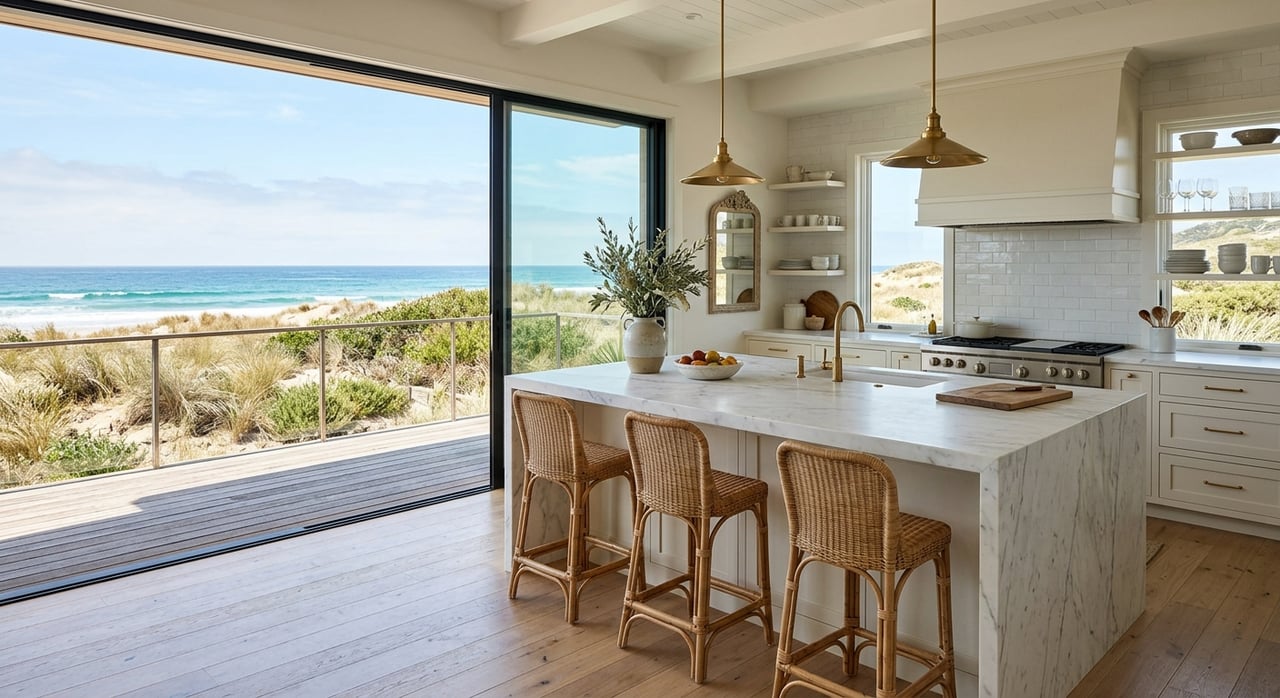
What Duck Vacation Rental Buyers Value Most
If you are thinking about buying a vacation rental in Duck, you are probably asking two questions at once: Will you love using it, and will guests love booking it? That is exactly how many buyers approach this market. In Duck, a property often needs to succeed as both a personal retreat and an income-producing home, so knowing what buyers prioritize can help you make a smarter decision. Let’s dive in.
Duck is not just another beach town. The Town of Duck describes it as a thriving coastal community, with Duck Village, independent businesses, Duck Town Park, and the Boardwalk at the center of daily life.
That matters because buyers here are often shopping for more than a house near the ocean. They are also buying into a sound-to-sea lifestyle shaped by recreation, dining, shopping, summer events, art galleries, and local attractions like the Duck Jazz Festival.
For vacation-rental buyers, that creates a clear takeaway. In Duck, a home competes on location, experience, and ease of use, not just bedroom count or square footage.
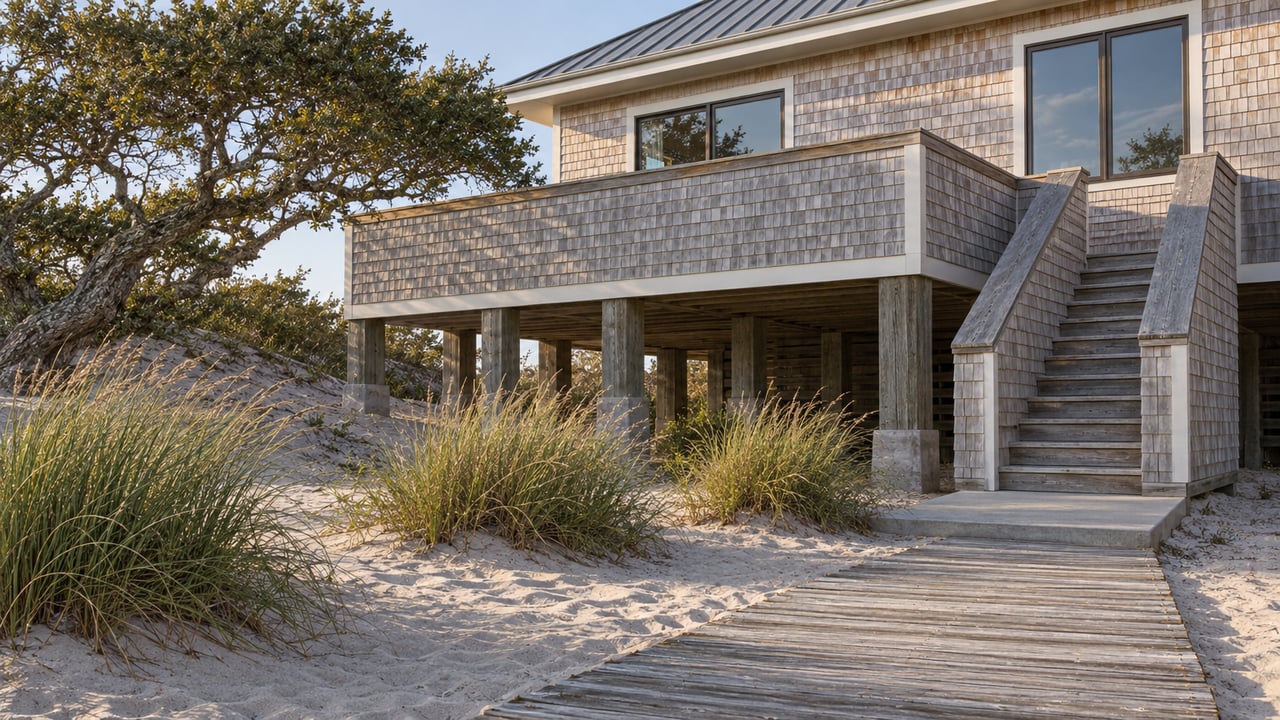
One of the biggest factors in Duck is beach access. The town states that there are no public beach access locations and no public parking at beach accesses, so access is limited to residents, renters, and guests through privately owned and maintained locations.
That means buyers should look beyond a map pin that appears close to the ocean. A home may be near the beach geographically, but what really matters is whether you and your guests have practical, reliable access through the property’s community or ownership rights.
Before you buy, it is wise to confirm:
In a vacation-rental property, friction-free access can shape the guest experience from day one. It can also influence repeat bookings and reviews.
Duck has a very specific kind of lifestyle value that many buyers notice quickly. The Duck Boardwalk stretches nearly a mile along Currituck Sound, the Duck Trail runs about six miles as a multi-use path, and Town Park adds trails, a kayak and canoe launch, transient boat piers, and access to village shopping and dining.
For buyers, this often translates into stronger appeal for homes that make it easy to walk or bike to the village core. A property that connects guests to the beach and the town experience may be more attractive than one that offers only one of those benefits.
That is especially true in a market where many vacationers want a stay that feels easy and memorable without needing to drive everywhere. In practical terms, homes with convenient access to both private beach routes and Duck’s central amenities tend to check more boxes.
Many vacation-rental buyers are not choosing between lifestyle and income. They want both. That aligns with broader second-home trends as well.
RCLCO’s 2025 survey of more than 1,000 U.S. buyers with net worth above $1 million found that 42% said generating investment income was a major reason for buying a vacation home, up from 33% in 2023. The survey also found strong interest in amenities such as shopping and dining access, swimming in beach locations, and walking and biking trails.
That fits Duck well. The town’s village setting, coastal identity, and recreational features support the kind of stay many guests are already looking for.
Buyers are often drawn to homes that feel straightforward to own and manage. RCLCO notes that turn-key rental management has become a critical decision factor, especially for younger buyers who are more likely to see rental participation as essential.
In real life, that means many buyers prefer properties that do not require immediate major upgrades or a complicated operating plan. A home that is already set up for guests, easy to maintain, and simple to market can feel much more attractive than one with avoidable friction.
When you evaluate a property, think about whether it would function smoothly for both your own visits and weekly guest turnover. In Duck, ease of ownership can be just as important as curb appeal.
Vacation-rental buyers tend to look closely at how a home lives. A floor plan that works well for couples, extended families, or small groups usually has stronger market appeal than one with awkward or inefficient space.
Vacasa’s research suggests many shoppers begin with near-beach locations and then focus on practical amenities like hot tubs, WiFi, central A/C, and fireplaces. Its search data also found that Outer Banks users were especially likely to filter for playards, which suggests family travel is an important part of the market.
That points to a simple lesson for buyers. Homes that support real vacation use tend to stand out.
Features that often match buyer priorities include:
The goal is not just to fit more people. It is to create a layout that feels comfortable, practical, and easy to enjoy.
Duck has a notable advantage for pet owners. The town says dogs are allowed on Duck’s beach year-round, even though beach access itself remains private and there is no public parking at beach access points.
That matters because pet-friendly travel can be a meaningful demand driver. Vacasa found that pet-friendly homes can earn 10% to 20% higher rental income than non-pet-friendly homes.
If you are comparing properties, it may be worth considering whether the home and its rules support pet-friendly use. In Duck, that feature can align well with how many guests want to vacation.
Rental performance is not only about owning the right house. It is also about how that house performs over time with guests.
Vacasa’s data found that homes with 11 or more reviews received 102% more bookings than homes with fewer reviews. That suggests a well-run property with a strong guest experience can build momentum in a way that supports future performance.
For buyers, this means a home with documented rental history, consistent care, and strong guest feedback may deserve closer attention. It also means the home’s physical features should support positive stays from the start.
Vacation-rental buyers in Duck should look carefully at operating costs, not just purchase price. North Carolina’s Vacation Rental Act applies to residential rentals for vacation, leisure, or recreation purposes for fewer than 90 days and requires a written vacation rental agreement.
In Dare County, the occupancy tax is 6% of gross receipts from transient rentals. The North Carolina Department of Revenue also says accommodation rentals are subject to the applicable state and local sales and use tax.
Local carrying costs also matter. The Town of Duck’s FY 2025-26 tax page shows a municipal property tax rate plus beach-nourishment municipal service district taxes for certain properties. The town says those district revenues support beach nourishment, access improvements, dune restoration, and sand placement.
Insurance is another area to review closely. In November 2025, the town warned about proposed increases to dwelling-policy insurance rates for coastal territories beginning July 1, 2026 and July 1, 2027.
Because Duck operates differently from some beach markets, buyers should verify details early. Beach access, HOA rules, and parking should all be confirmed before you assume a property will work the way you want for personal use or guest bookings.
This is especially important in a market where rental success often depends on convenience. Small details that seem minor during a showing can become major issues once guests arrive.
A careful review should include:
A clear understanding upfront can help you avoid surprises later.
Overall, vacation-rental buyers in Duck tend to favor homes that are easy to rent, easy to manage, and easy to enjoy. The strongest contenders are often the ones with practical private beach access, convenient access to the village, family-friendly layouts, and amenities that support real coastal living.
Duck’s appeal is tied to more than the shoreline. It is also about walkability, soundside recreation, local businesses, and a stay that feels relaxed and connected. When you view properties through that lens, it becomes much easier to spot what buyers and guests are really looking for.
If you are weighing options in Duck, a local, analytical approach can make a real difference. With years of Outer Banks experience and a clear understanding of how lifestyle and investment goals intersect, Inna Pencheva can help you evaluate properties with both confidence and clarity.



Contact Inna today to start your home journey. With a commitment to education and transparency, she guides clients confidently through every step of the buying or selling process.
