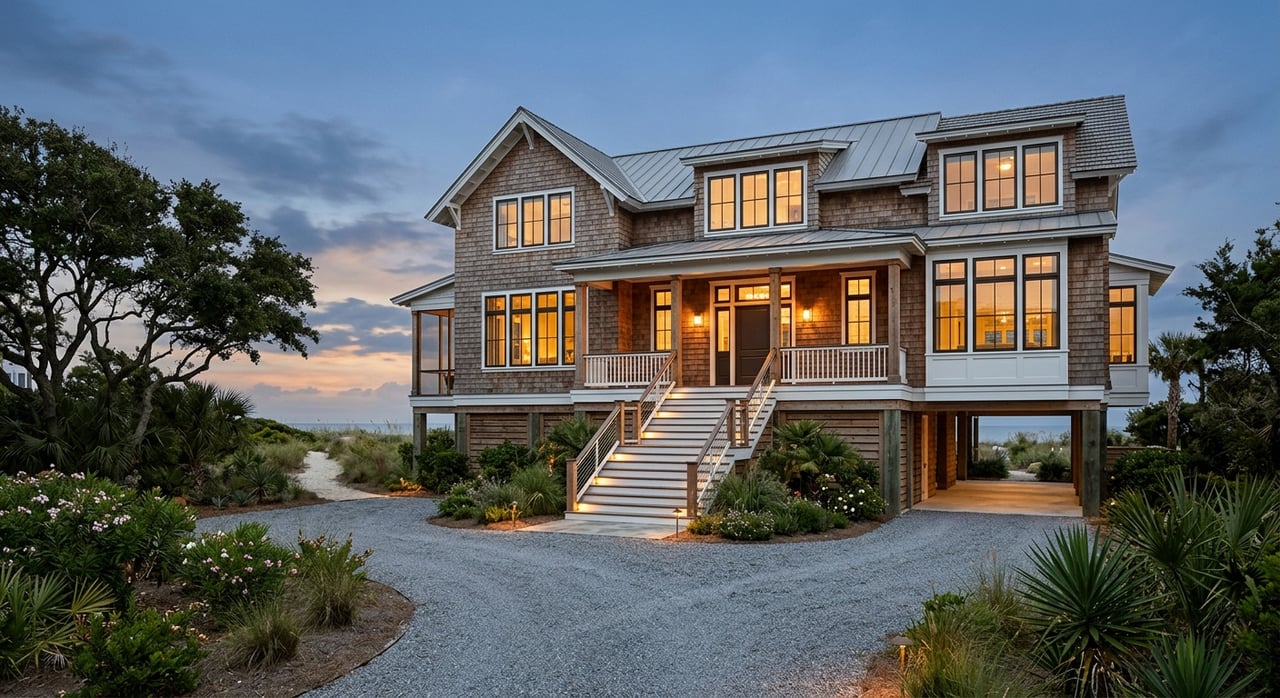
Buying a Vacation Home in Duck, NC From Out of Town
Buying a home in Duck from out of town can feel exciting and overwhelming at the same time. You may be trying to balance timing, travel, inspections, insurance questions, and coastal rules without being on the ground for every step. The good news is that with the right research, documentation, and local guidance, you can make a smart, confident purchase in Duck. Let’s dive in.
Duck is not just another beach market. It is one of the municipalities in Dare County, and local planning guidance points buyers toward flood maps, flood insurance, and town-specific regulations as part of normal purchase research.
That matters because when you buy in Duck, you are evaluating both a home and a coastal property site. Flood exposure, drainage, zoning, and permit rules can all affect your costs, your future plans, and how you use the property over time.
The Town of Duck also maintains guidance for CAMA permits and resilience planning. Its resilience work focuses on stormwater improvements in flood-prone basins, which is a practical reminder that environmental conditions are an everyday part of owning property here.
If you are buying from a distance, good research helps you narrow options before you spend time and money on travel or inspections. One of the most useful tools in Dare County is the Parcel Data Map.
The county map lets you review property ownership, parcel summaries, flood zones, tax values, easements, lot dimensions, and zoning. You can search by address, parcel number, owner name, subdivision, or by clicking directly on the map.
This tool is best used for screening and fact-checking. Dare County notes that it is not a legal description, so it should support your research, not replace title review, survey work, or attorney guidance.
When you are not local, photos alone are not enough. North Carolina brokers have a duty to discover and disclose material facts, which means you should expect complete written information and clear answers to important property questions.
A strong remote review package should include:
This is not just about seeing finishes and room sizes. You also want to understand how the house sits on the lot, whether the visible conditions seem consistent with county records, and whether there are dues, restrictions, or association obligations tied to ownership.
For out-of-town buyers in Duck, flood review should happen before or alongside an offer, not late in the process. Dare County’s flood-information guidance tells buyers to review flood zones, flood insurance, and its Before You Buy resources before purchasing.
Flood zone and floodplain details can influence insurance costs, long-term ownership costs, and future repair or improvement decisions. Dare County also notes that some floodplain areas along the estuarine shoreline include wetlands, which adds another layer of site-specific review.
If a home is on your shortlist, ask early for flood-zone details and compare them with county map information. This step can save you time and help you avoid surprises during due diligence.
North Carolina’s due diligence period is your main window to investigate the property and the transaction. For an out-of-town buyer, this is when most of the on-site verification should happen.
According to the North Carolina Real Estate Commission, common due diligence items include:
If you cannot be in Duck during that time, your local team becomes even more important. You want clear scheduling, written reports, and fast communication so you can make informed decisions before deadlines pass.
In any market, an as-is listing can sound intimidating. In North Carolina, though, as-is does not take away your right to inspect the property, and it does not remove a broker’s duty to disclose material facts.
For a coastal home, that means inspections still matter. You should still investigate water intrusion, structural concerns, deferred maintenance, and other condition issues that may affect both your enjoyment of the property and your future budget.
Out-of-town buyers sometimes feel pressure to move fast in a desirable market. That is understandable, but a careful inspection process is one of the best protections you have.
If a Duck property is in an HOA or subject to mandatory covenants, review those details before you commit. North Carolina disclosure rules require identification of dues, assessments, services paid by those dues, and association contact information.
This is especially important if you are considering a second home or a property you may rent. HOA rules and covenants can shape ongoing costs, maintenance expectations, and what flexibility you may or may not have as an owner.
When you are buying remotely, ask for these documents early. They should be part of your decision-making process, not an afterthought.
Many out-of-town buyers look at Duck homes with future updates in mind. You may love the location and lot but want to improve, expand, repair, or rebuild over time.
Before you close, check whether your plans may require local permits. The Town of Duck says buyers can contact local permit officers to determine permit requirements, and it notes that some maintenance and repair may be exempt while replacement is not.
That distinction matters. A project that seems simple from a distance may involve rules or review steps you need to understand before purchase.
If you do not plan to be in North Carolina for closing, remote electronic notarization may be possible. North Carolina allows this process, but it is tightly regulated.
The notarization must happen in real time through audio and video communication. The session must be recorded, identity must be verified, and the electronic notary must be physically located in North Carolina.
Because each transaction can involve different lender, document, and recording requirements, confirm the process with your closing attorney, lender, and title company well before closing day. Remote signing may be allowed for some documents, but you should never assume every document can be handled the same way.
Distance buyers are common targets for closing scams. The North Carolina Department of Justice warns that scammers may impersonate real estate agents and send changed wiring instructions at the last minute.
The safest move is simple. Verify any payment instructions by phone or in person using trusted contact information, and never rely only on an emailed change.
This step may feel small, but it is one of the most important parts of protecting your funds during a remote transaction.
Coastal buyers often focus on price, insurance, and future maintenance, but transfer costs matter too. North Carolina levies an excise tax of $1 per $500 or fractional part on conveyances of real estate.
Dare County also says certain transfers are subject to a county land transfer stamp of 1% of the consideration or value conveyed. On a higher-priced Duck property, these costs can be meaningful, so ask for a clear estimate early in the transaction.
Dare County’s recording process may also affect timing. The Register of Deeds accepts documents electronically, by mail, or in person, and the county notes that some transfers require a land transfer number before recording.
If you are buying with vacation-rental use in mind, make sure you account for local taxes and ownership obligations. Dare County’s tax department says the occupancy tax rate is 6% of gross receipts from accommodations.
That is a carrying-cost item you should include in your planning. It is also another reason to review HOA documents, covenants, and any town or county rules that may affect how the property is used.
For many buyers, Duck is both a lifestyle purchase and a financial decision. Looking at both sides clearly helps you buy with confidence.
If you want to simplify the process, focus on these steps first:
Buying from out of town does not mean buying blindly. It means being more intentional, more organized, and more proactive at every stage.
With deep local knowledge of the Outer Banks, a calm and responsive approach, and experience helping buyers evaluate coastal properties from near and far, Inna Pencheva can help you navigate Duck with clarity and confidence.



Contact Inna today to start your home journey. With a commitment to education and transparency, she guides clients confidently through every step of the buying or selling process.
