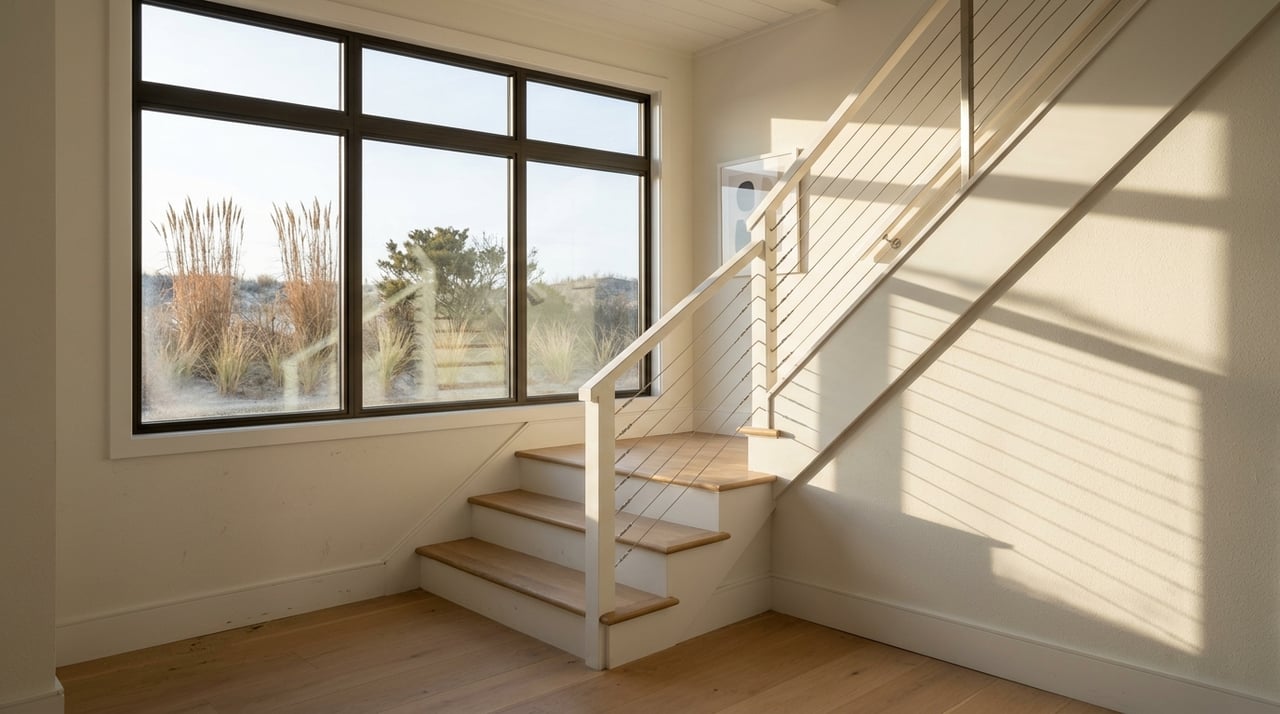
A Practical Guide to Seasonal Living in Duck NC
If you are thinking about owning a home in Duck, one question matters more than almost anything else: what does life here actually feel like month to month? That is especially important in a place where summer energy, fall calm, and winter quiet can feel like completely different versions of the same town. When you understand the seasonal rhythm, you can make a smarter decision about how you plan to use a second home, vacation property, or future retreat. Let’s dive in.
Duck is a small sound-to-sea town with a dramatic shift between year-round life and peak-season activity. Town data shows 742 total residents in the 2020 Census, with official materials also noting about 584 year-round residents in July 2020. At the same time, the town’s estimated peak seasonal population reached 21,450 in 2017.
That gap explains a lot about daily life. In summer, the village center, beach access points, events, and local roads all feel much more active. In the quieter parts of the year, Duck becomes more relaxed, with a pace that appeals to many second-home owners looking for space and simplicity.
The broader Outer Banks follows the same pattern. Regional visitation data shows major summer spikes at popular destinations, with much lighter counts in winter. In practical terms, that means your experience in Duck can change significantly depending on when you come.
Spring is when the Outer Banks starts to wake back up. According to the Outer Banks Visitors Bureau, shops and restaurants begin opening after Easter, and temperatures are often in the mid-60s to 70s. It is a transition season that feels active, but not overloaded.
For many buyers, spring offers a very appealing middle ground. You can enjoy outdoor time, fishing, and day trips without the full summer crowds. If you want a second home that feels usable before peak season begins, spring often checks that box.
This is also a season when the natural setting stands out. Longer days, milder weather, and lighter traffic can make a quick weekend trip feel easy and worthwhile. If your goal is steady enjoyment rather than nonstop activity, spring has a lot going for it.
Summer is the busiest season in Duck and across the Outer Banks. The Visitors Bureau describes beaches, rental homes, hotels, and campgrounds filling up, with average temperatures in the low 80s. In Duck specifically, summer also brings family events at Duck Town Park and long boardwalk hours from dawn until 1:00 a.m.
If you love energy, convenience, and full access to everything, summer delivers. More businesses are open, events are in full swing, and the town is at its most social. For owners who want prime beach time or strong vacation use during school breaks, this is the season that usually drives the most interest.
The trade-off is crowding. Parking, restaurant timing, and general movement around town often require more planning. For some buyers, that is part of the charm. For others, it is a reminder that the best ownership experience depends on matching the property to the months you will truly use it.
Fall is one of the most appealing times of year in Duck. The Outer Banks Visitors Bureau notes milder weather, fewer crowds, strong fishing, and favorable conditions for wind sports. Many people view it as the sweet spot between summer access and winter quiet.
Duck also has signature fall community moments. The town’s annual Jazz Festival takes place on Columbus Day weekend, adding to the sense that early October is one of the most enjoyable times to be here. You still get activity, but with more breathing room.
For second-home buyers, fall often helps clarify the lifestyle side of ownership. You can enjoy the beach, soundside sunsets, walks, and local events without the same scheduling pressure that comes with midsummer. If you picture relaxed long weekends more than packed vacation weeks, fall may be the season that best fits your goals.
Winter is the quietest season in Duck. The Visitors Bureau says many restaurants and small shops close during this time, though beach walks and holiday events remain part of the experience. The result is a slower, more peaceful version of the Outer Banks.
Nearby NOAA climate normals for Manteo Airport show January average highs around 50.7°F and lows around 35.6°F, with annual snowfall of only 1.1 inches. So while winter is cool, it is not usually defined by heavy snow. Instead, it often feels calm, open, and reflective.
Winter can work well for owners who value privacy and simple coastal downtime. It is also the season that makes the town’s seasonal nature most obvious. If year-round restaurant access and constant activity matter to you, winter is worth thinking through carefully before you buy.
In Duck, the real question is usually not whether you can enjoy a home year-round. The better question is when you will realistically use it most. Local planning documents show a market heavily shaped by seasonal and recreational ownership, including 2,633 housing units identified as seasonal or recreational use.
That matters because the right property for a summer-focused buyer may not be the right property for someone who plans to come mainly in spring and fall. If your use pattern centers on peak beach season, you may prioritize easy access, entertainment space, and features that support busy-household stays. If your vision is quieter shoulder-season living, you may care more about views, outdoor space, and everyday comfort.
This is one reason local guidance matters so much in Duck. A home here is not just about price or square footage. It is also about how well the property fits your personal calendar, travel habits, and expectations for the Outer Banks lifestyle.
If you assume Duck only makes sense in summer, you may be overlooking one of its strongest advantages. The Outer Banks Visitors Bureau defines its off-peak event support window as September 7 through June 15, which gives you a useful local marker for when the region shifts away from peak-season pace.
That long shoulder and off-season stretch can be very attractive for owners. You still get the setting that draws people here in the first place, but often with fewer crowds and a more relaxed routine. For many households, that is exactly what makes a second home feel restorative instead of hectic.
Duck’s public spaces support that kind of use especially well. The Town Park includes maritime forest trails, a willow swamp setting, soundside views, a kayak and canoe launch, and nearly a mile of boardwalk. Those features can make spring and fall stays feel full and satisfying, even when a beach day is not the center of your plans.
Owning in Duck also means planning around weather and access. The Town of Duck says Atlantic hurricane season runs from June 1 through November 30 and typically peaks in late August and September. That timing overlaps with both summer use and part of the fall season.
For out-of-town owners, a clear storm plan is essential. Duck’s emergency guidance identifies the evacuation route as NC 12 south to US 158 west. If you plan to use a home heavily during peak season, it is wise to think through logistics well before a storm ever appears on the radar.
Seasonal maintenance also deserves attention. In a market built around second homes and short-term use, ownership works best when your home is set up for smooth transitions between active and quieter periods. That is especially true if you live elsewhere for much of the year.
If you are deciding whether Duck is the right fit, start by being honest about your real lifestyle. Ask yourself when you can travel most often, how much activity you want around you, and whether you picture beach-heavy summers or quieter coastal weekends. Your answers will shape what kind of ownership experience feels successful.
Here is a simple way to think about it:
There is no single best season for everyone. The best season is the one that aligns with how you actually want to live in the home.
If you are exploring Duck or the wider Outer Banks with a second-home, luxury, or investment mindset, working with someone who understands these local patterns can make the process much clearer. To talk through what seasonal living could look like for you, connect with Inna Pencheva.


Contact Inna today to start your home journey. With a commitment to education and transparency, she guides clients confidently through every step of the buying or selling process.
